We all feel the pressures of stress and life overwhelming us. Whether it’s severe and life-altering wellbeing concerns or the pressures of everyday life, these feelings are never easy to overcome. But it’s essential that we find coping mechanisms and helpful tricks to relieve that pressure, even for a short while. Especially since 1 in 4 people experience mental health problems in England and 1 in 5 people report experiencing a common mental health problem (like anxiety or depression) in any given week (Mind).
Exercise is one of the easiest and fastest-acting ways to ease that noise in our minds. The release of endorphins promotes a sense of ease and calm that naturally makes us feel better mentally. But we also know that exercise is a mind game, and sometimes the thought of forcing ourselves to attend that sweaty exercise class or throw on our trainers for a long run can welcome those negative thoughts to creep in and make us feel overwhelmed.
A Simple Alternative
Walking however, is a small, controllable action that can make us feel that we have achieved something that gets us out of our heads. Supported by the Mental Health Foundation, walking has been found to:
- Reduce tension, stress and mental fatigue
- Boost natural energy
- Empower a sense of achievement
- Increase focus and motivation, which in turn reduces feelings of anger and frustration
The best thing about walking is that you can do as much or as little as you want. While there are many headlines around the benefits of walking 10,000 steps a day, in reality, the simple act of going for a gentle stroll, even for five minutes, can change our perspective enough to improve our mood.
It can also improve the relationship between physical and mental health. Starting small, but making a promise to ourselves to walk regularly, will build up our stamina and strength. This in turn, will make us feel more likely to go further distances or even take up more intensive physical exercise, boosting health whilst also continuing to release endorphins to reduce stress levels and maintain a sense of calm.
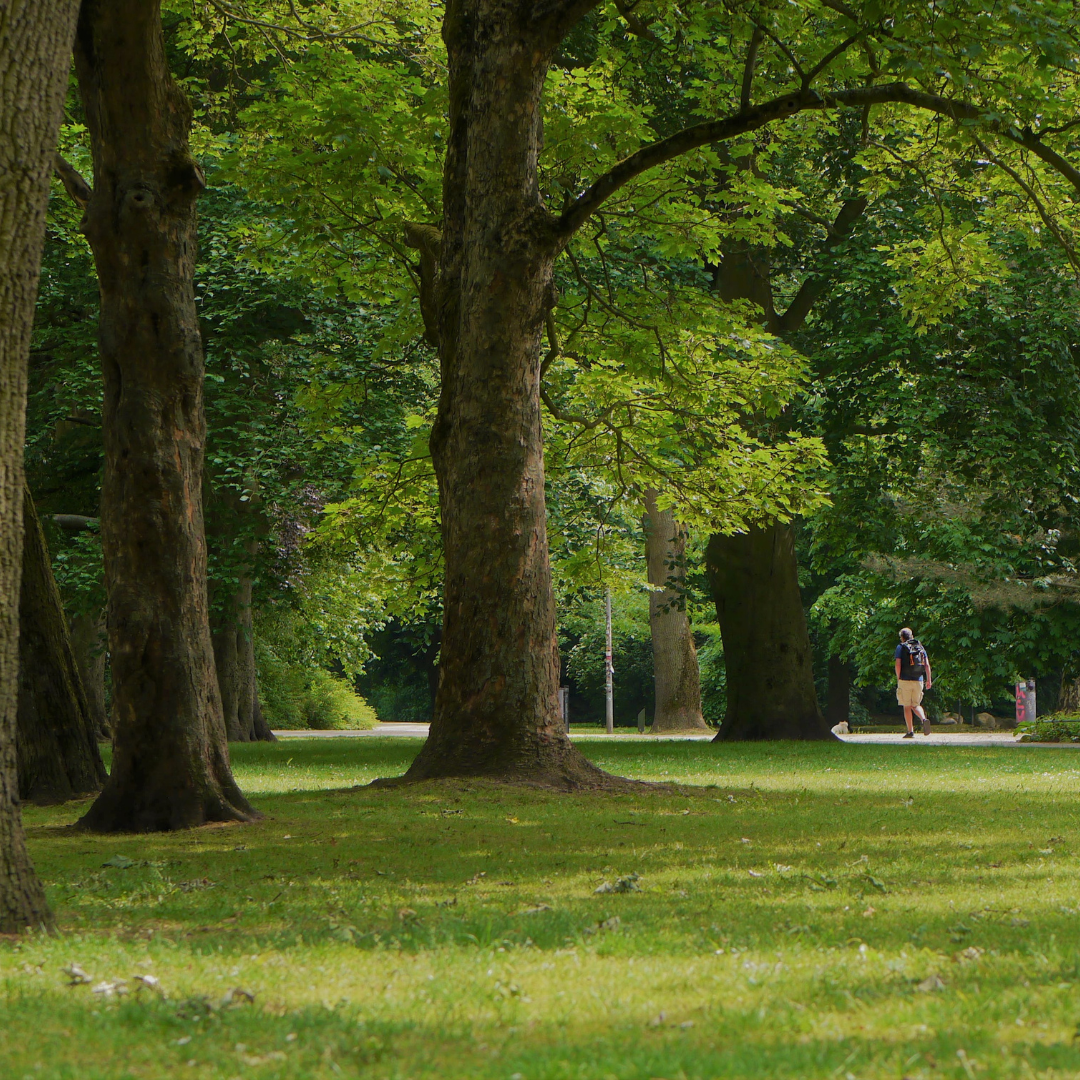
Encouraging ourselves to walk outside will promote this feeling of calm. Walking in nature is considered an effective mindfulness step to distract us from our anxieties, take a different perspective of the world and possibly help us see our worries differently and in a more manageable way. Walking in natural light has also been found to improve mood by increasing levels of vitamin D, also essential to healthy immune function, and regulating mood. Living in the UK makes walking outside a weather-dependent activity, but this simple and free step can make a huge difference to overall mood and help alleviate wellbeing worries that are holding us back.
Three Small Ways to Make Walking Achievable
- Encourage yourself to walk outside by finding a safe, scenic route that will expose you to nature. Walking by flowing water and through the trees is considered a fantastic way to feel closer to nature and alleviate mental health concerns.
- Schedule your walks to ensure you complete them. Whether you’re more of a morning person or like to be more active in the evenings, try to walk at the same time to ensure you get out of your head and into your body.
- Walk while you complete other activities. Whether you feel a sense of achievement walking the dog or listening to a podcast or music whilst you walk, these all count towards getting your steps in and improving your wellbeing.
Walking is not a cure-all, and it does not replace professional support when someone is struggling with their mental health. But it can be a gentle, accessible way to step away from racing thoughts and reconnect with our bodies and mind.
That was at the heart of Corporé’s walking challenge this summer. While our team collectively completed over 3 million steps in a month to raise money and awareness for Day One Trauma Support, the challenge was about more than distance. It was a reminder that every small step can matter — for our own wellbeing, for each other, and for people rebuilding their lives after trauma.
Day One Trauma Support is a charity dedicated to helping people rebuild their lives after catastrophic injury. Their life-changing work provides people affected by major physical trauma with practical and emotional support, helping them navigate challenges and gain optimum independence.
By taking small steps every day throughout July, our team supported Day One Trauma by raising awareness and funds for a charity that helps others take their steps. Again, it was never about the speed or even the distance. It was about coming together to support a cause that is dedicated to ensuring no one is left on their own or without support following life-changing events.
To learn more about the incredible work of Day One Trauma Support, visit www.dayonetrauma.org.
And if you’d like to support our challenge, please consider making a donation.
Looking after our own mental health or supporting others in need often starts with small, manageable acts of kindness — and sometimes, one small step is enough to begin.